Festival
THE BAKATUE FESTIVAL
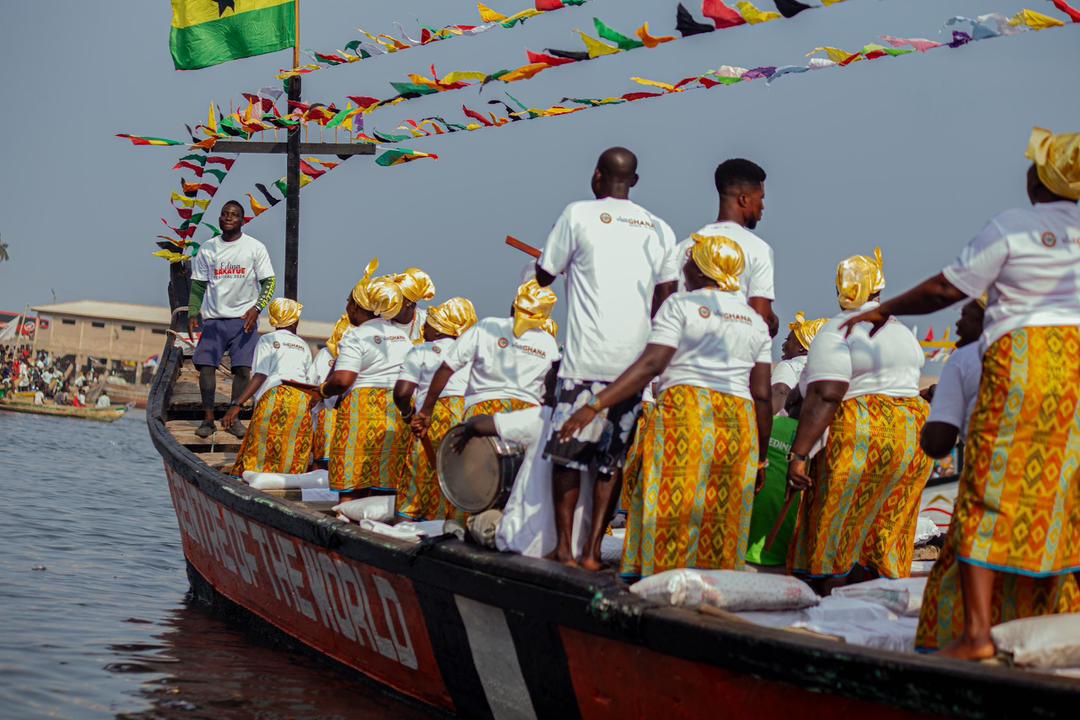
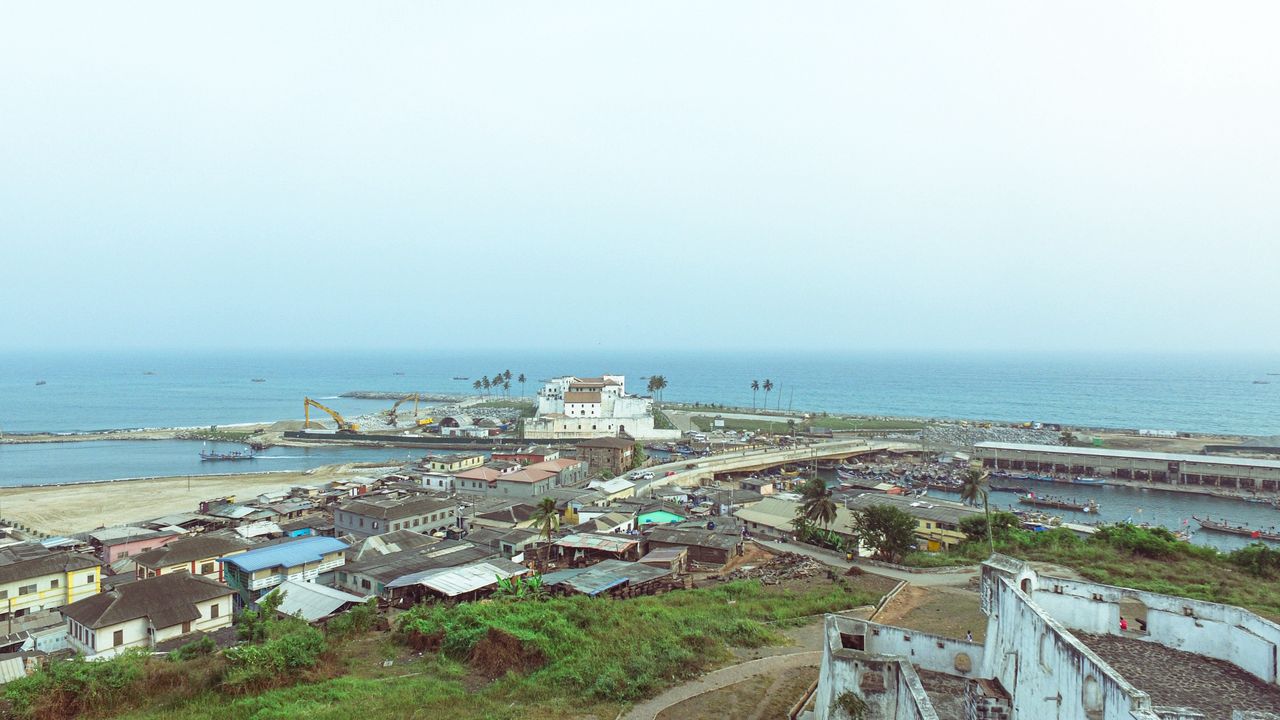
Bakatue is rooted in local fishing traditions and marks the opening of the fishing season for many coastal communities around Elmina. Historically, the festival served to bless nets and canoes, ask for safe voyages, and give thanks for bountiful catches. These rituals helped communities coordinate seasonal activity while maintaining spiritual relationships with the sea.
Over time, Bakatue evolved into both a ritual and a public festival — combining solemn rites with public durbars, dance, and feasting. The occasion is an important moment for cultural transmission as elders, fishermen, and youth gather to share stories, music, and skills that sustain the community's identity.
History
The origins of Bakatue lie in the rhythms of the sea and the livelihoods of fishing communities who adapted seasonal knowledge into ritual practice. Early ceremonies combined practical preparations with spiritual observances: offerings and blessings intended to protect fishermen and to secure a generous harvest from the waters.
As settlements and trade systems grew, the festival also became a civic occasion where chiefs and townspeople reaffirmed social responsibilities and negotiated communal decisions. Today the festival is an important link between ancestral knowledge and present-day community life.
Processions & Ceremony
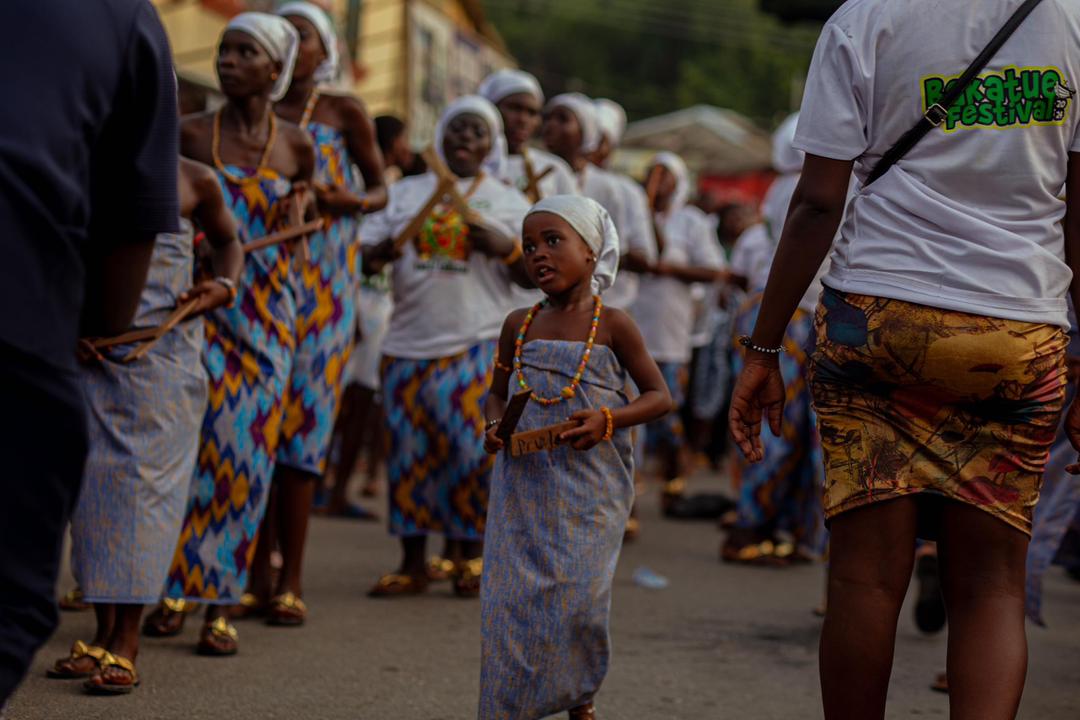
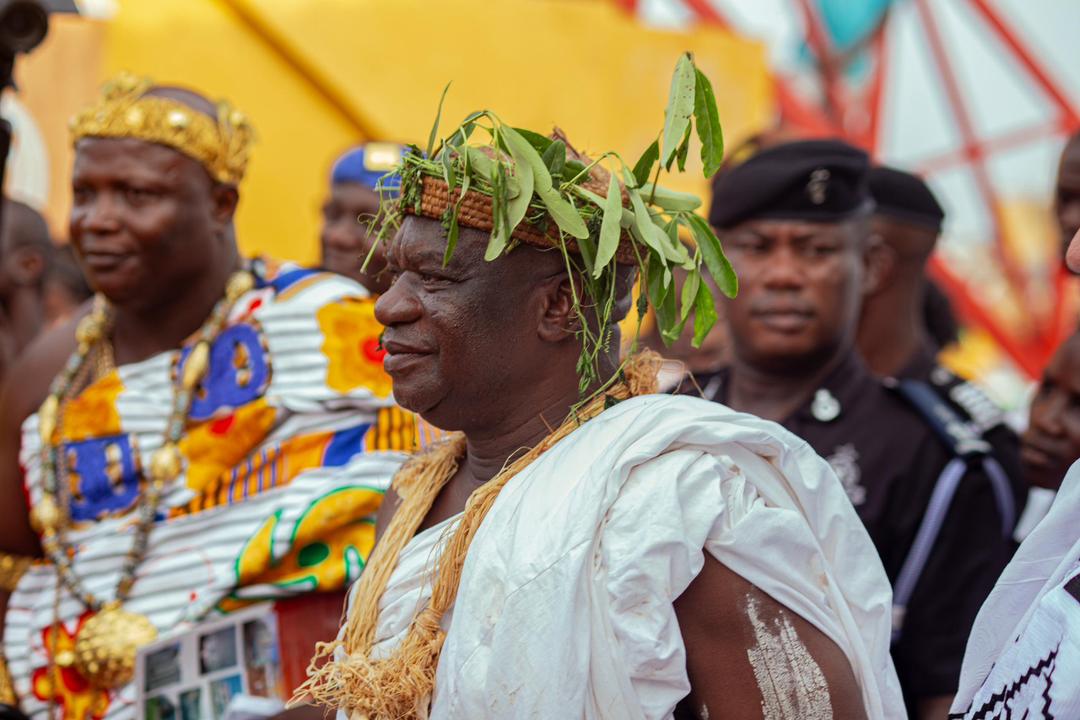
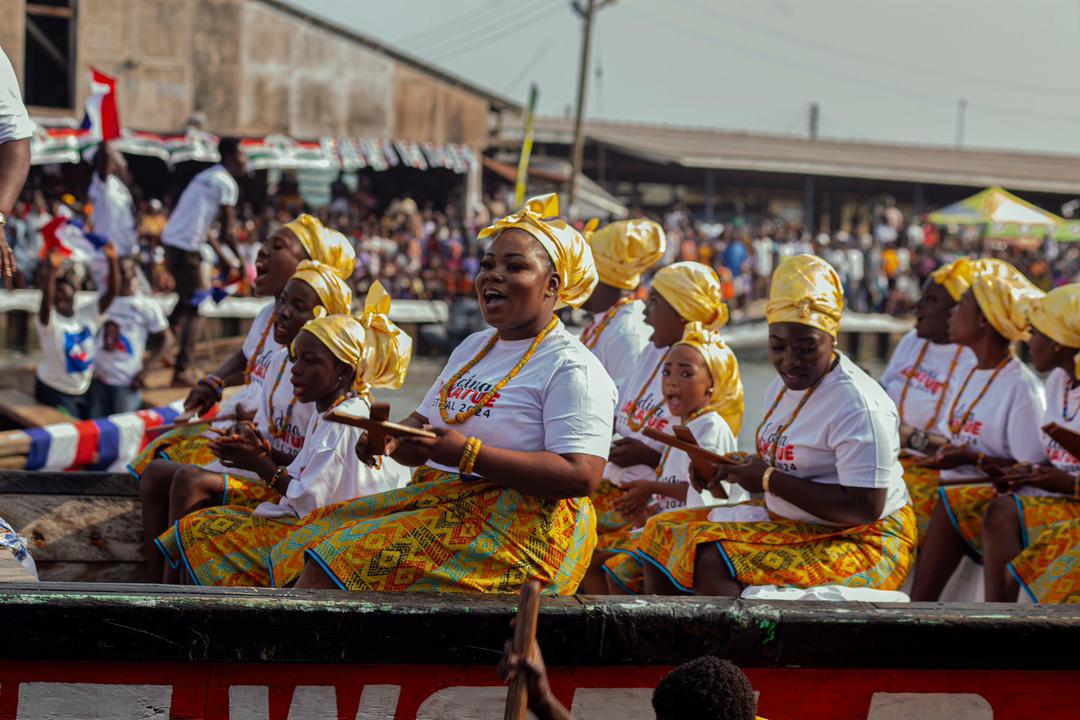
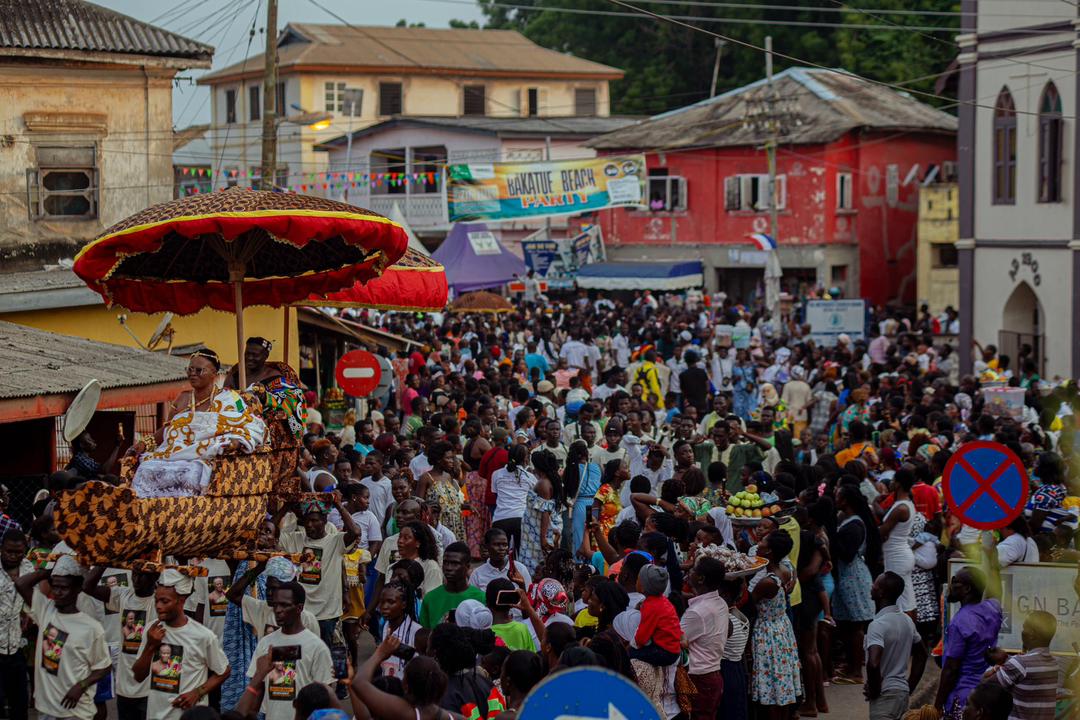
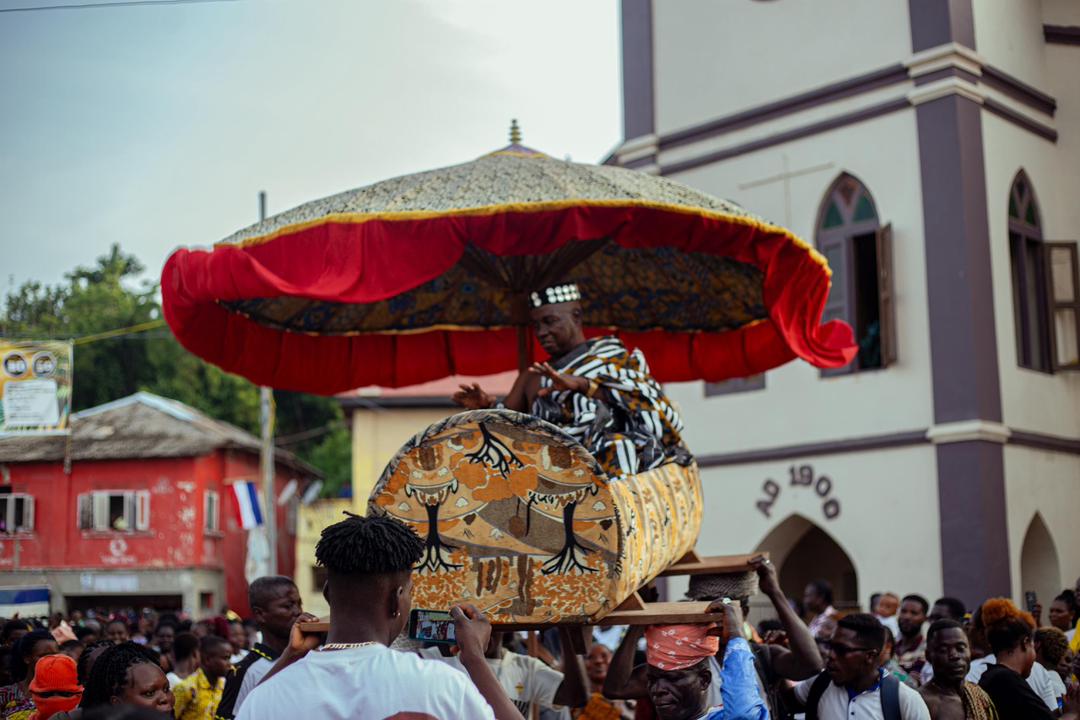
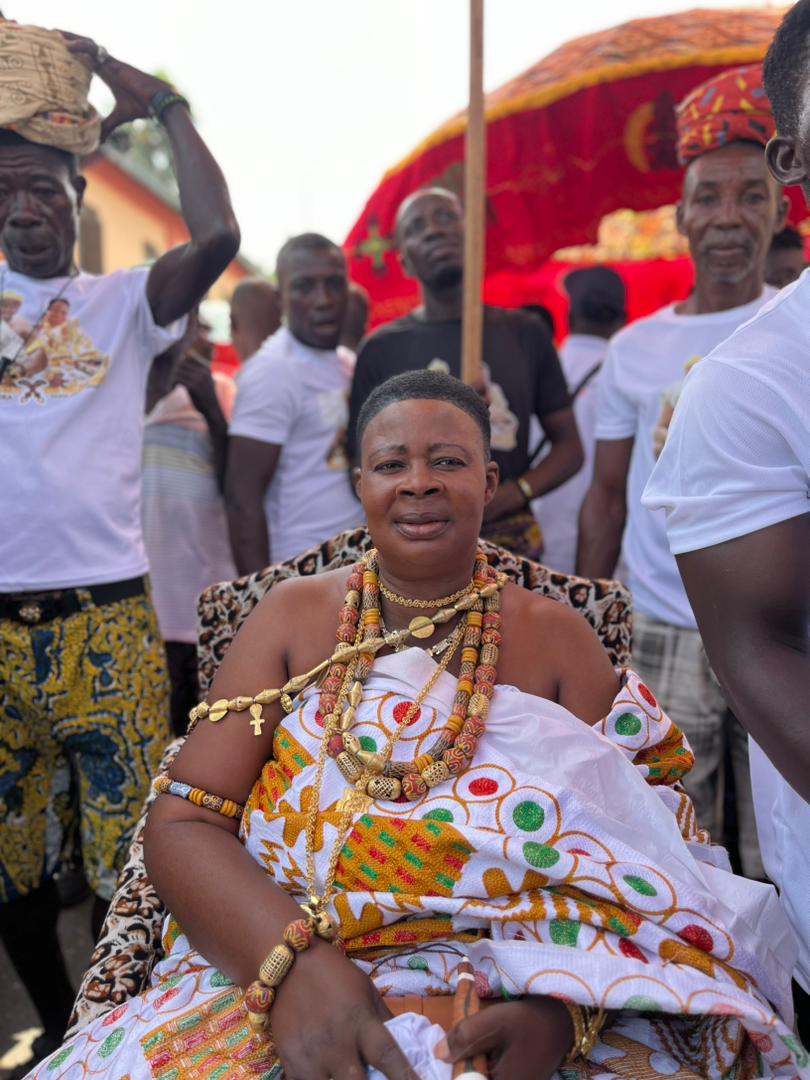
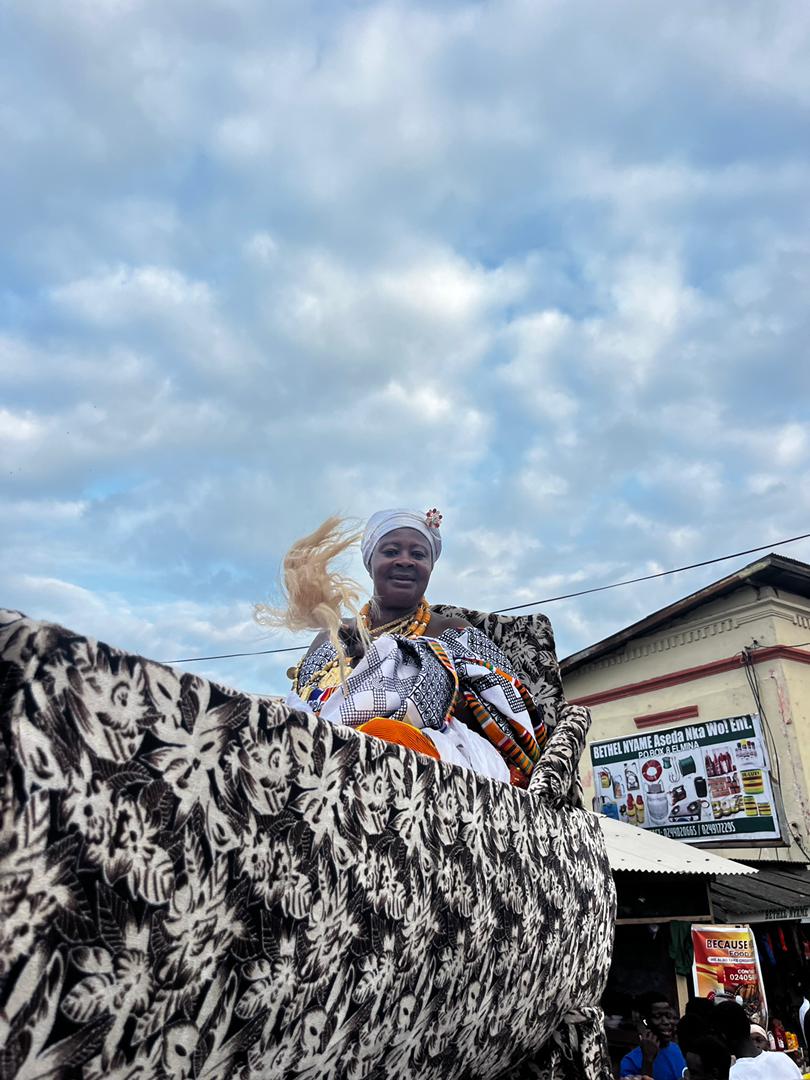
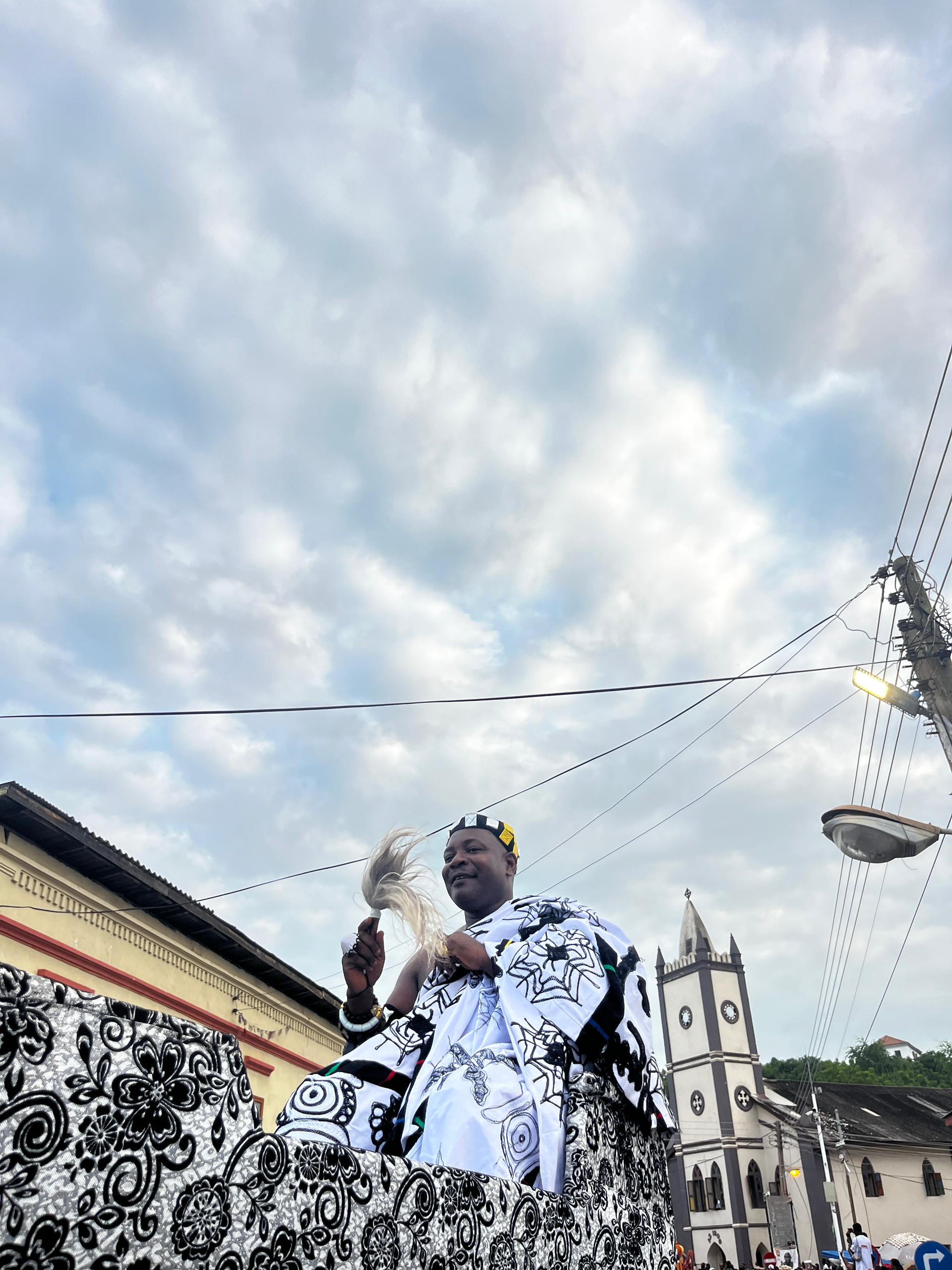
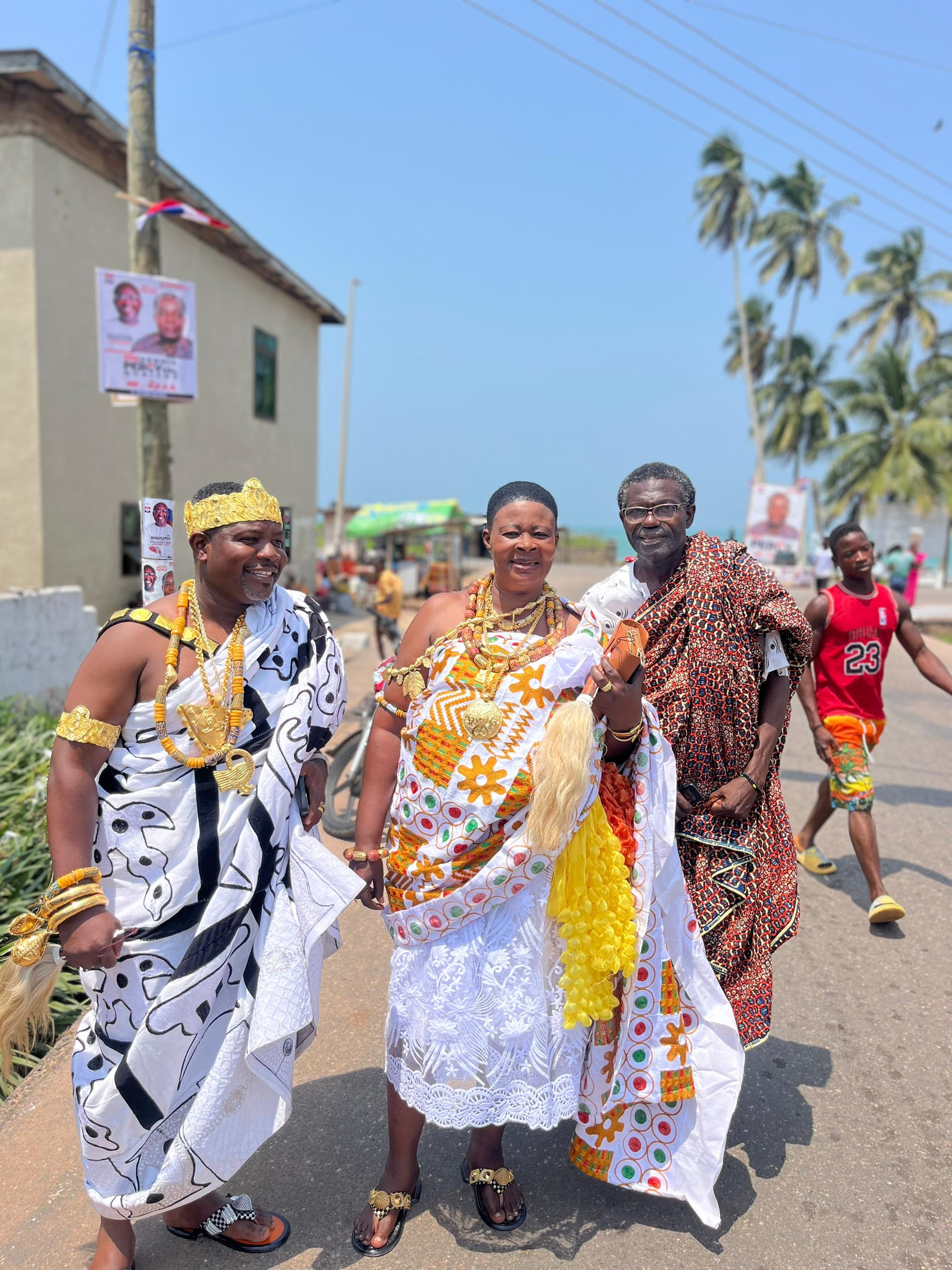
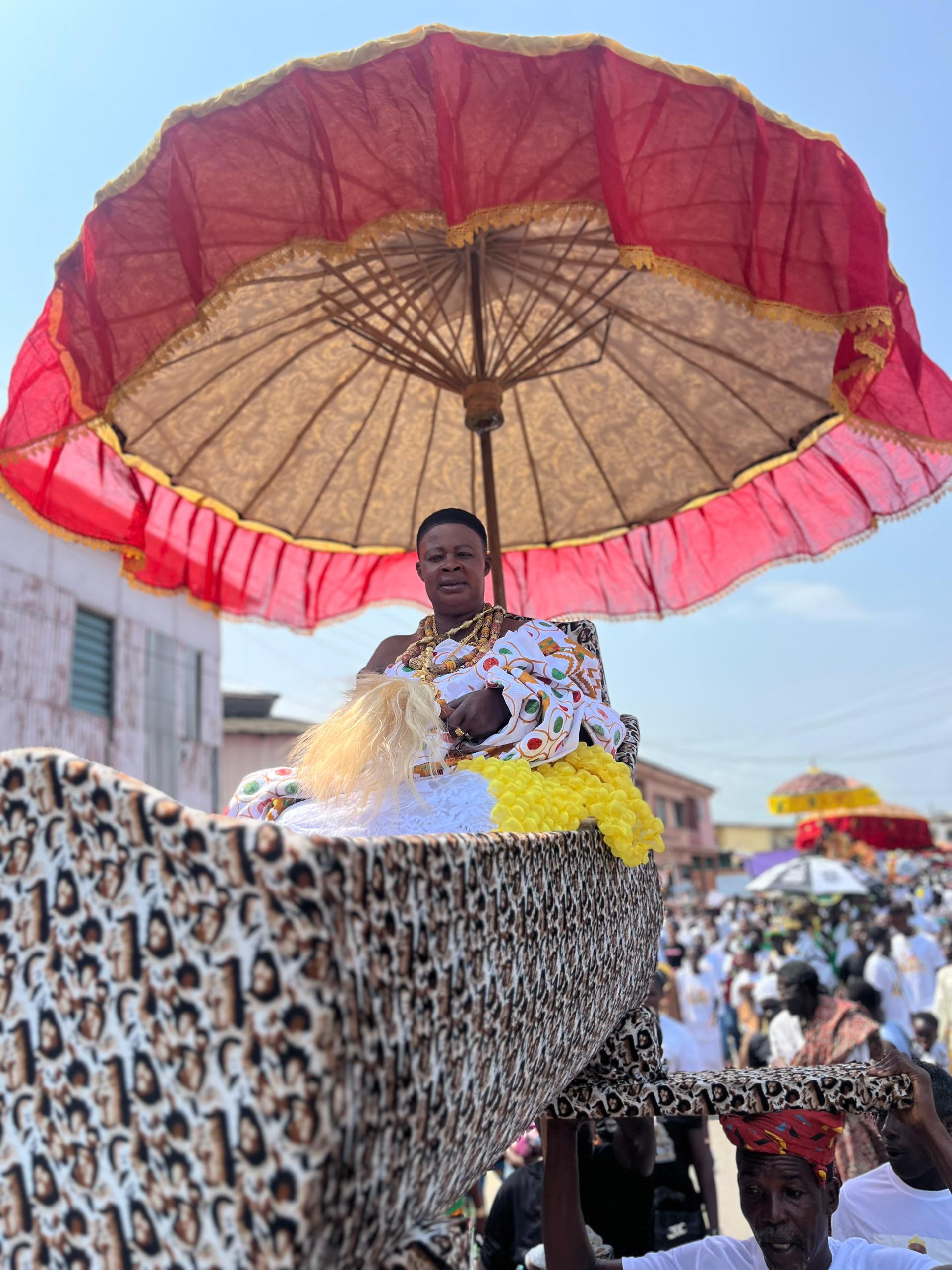
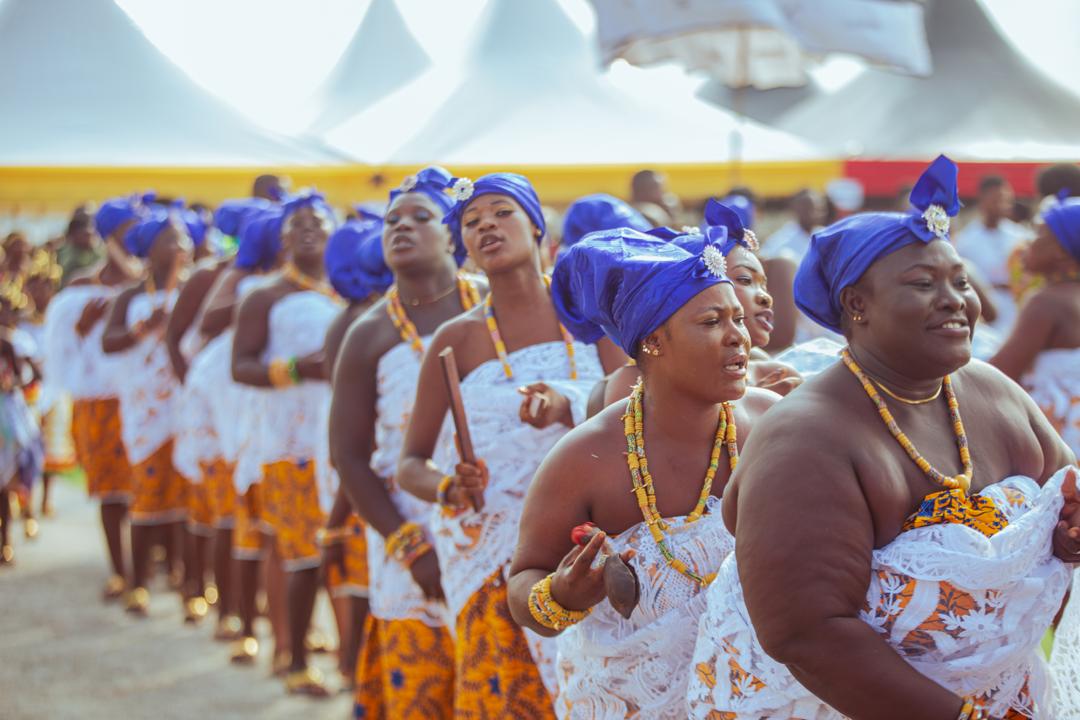
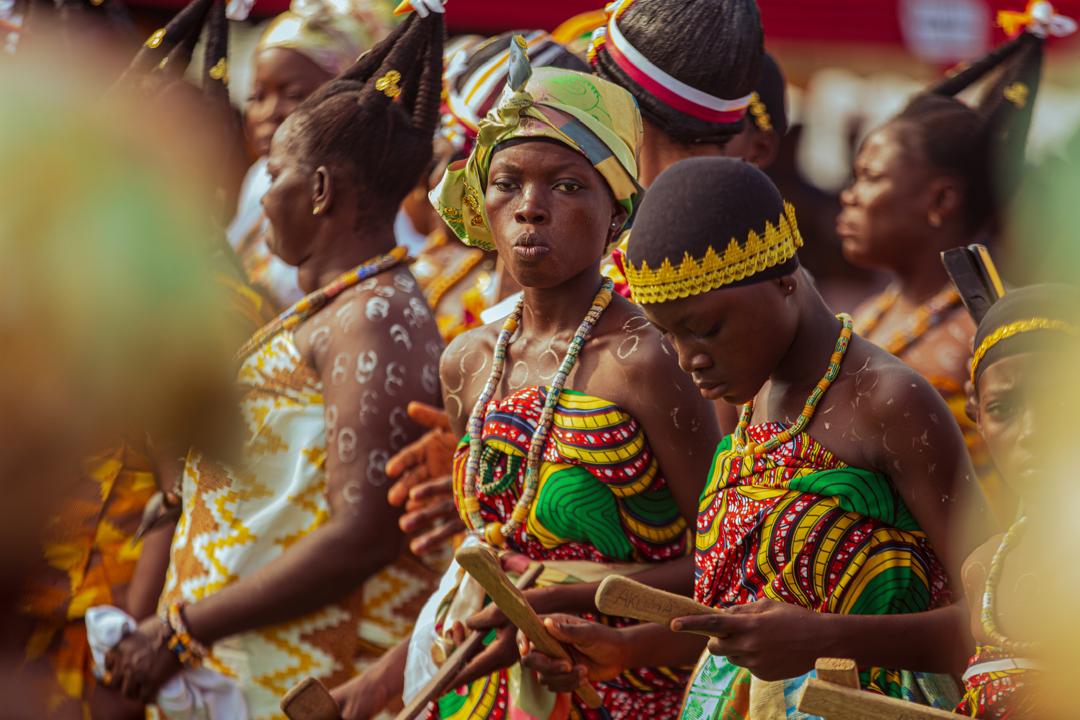
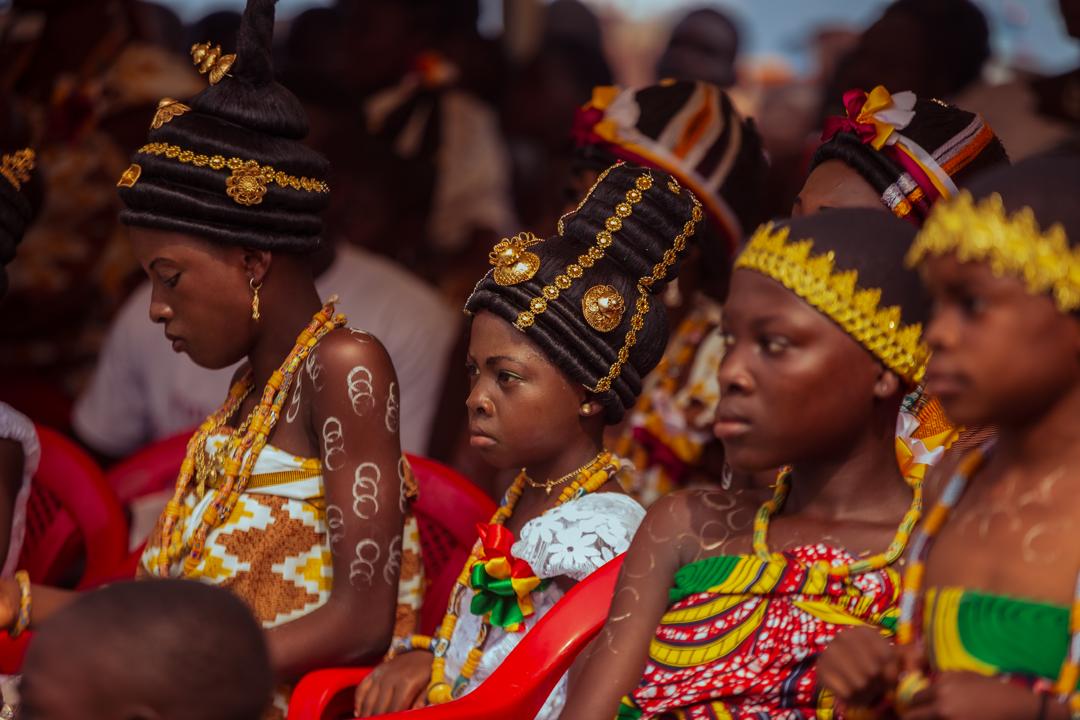
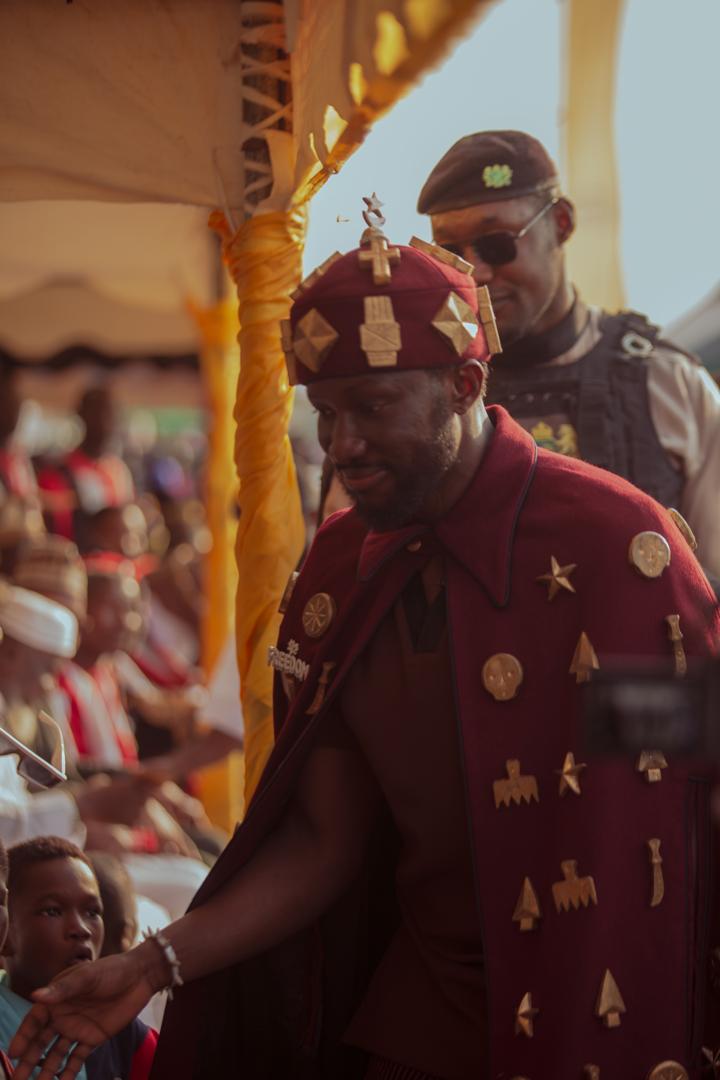
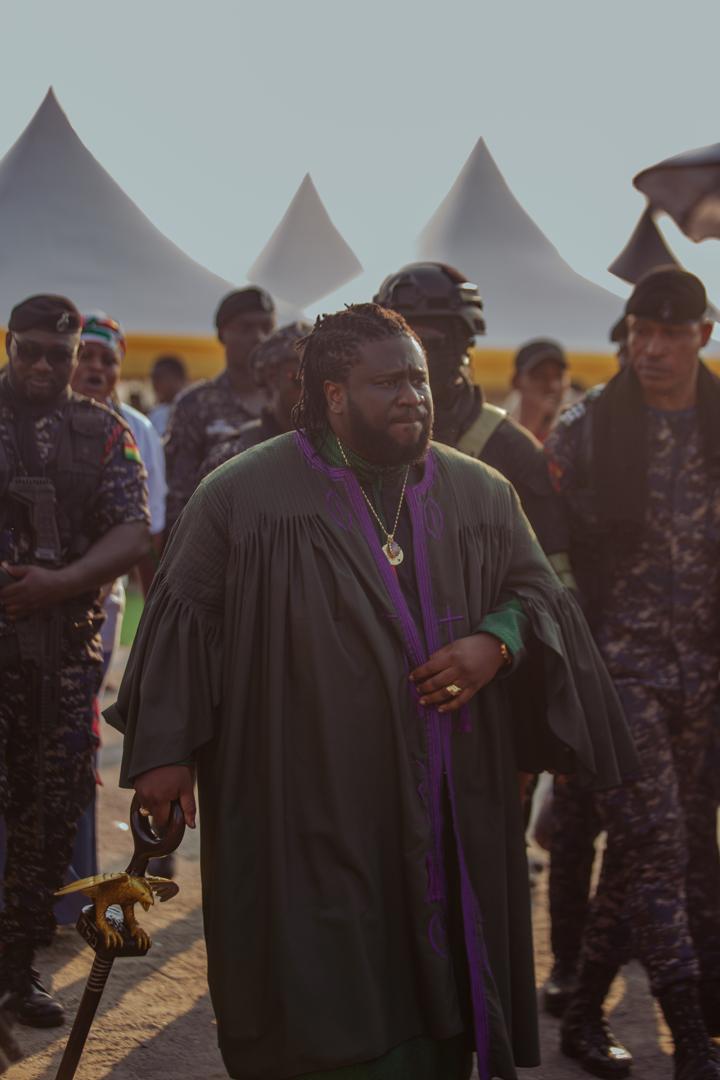
Processions form the heart of the festival: chiefs and elders lead colourful parades, accompanied by drummers, dancers, and praise-singers. The durbar — a formal assembly of leaders and citizens — allows leaders to give counsel, resolve disputes, and enact customary proclamations.
On the shoreline, symbolic offerings and blessings take place; elders bless canoes and nets while community prayers ask for safety at sea. Music and dance are integral, not only as spectacle but as vehicles for memory, law, and education.
Community & Culture
Bakatue is a time for reunion: families return home, markets swell, and artisans present traditional crafts and cuisine. Communal feasting and public performances reinforce bonds and allow younger generations to learn ceremonial roles.
Beyond celebration, the festival supports local economies through markets, tourism, and craft sales while preserving intangible heritage such as oral histories, songs, and ritual knowledge.